Publishing with Orca
Meet the Editors
Our editors work closely with authors and illustrators to craft exceptional stories. Meet the people who make it all possible.
Or, jump to our Submission Guidelines
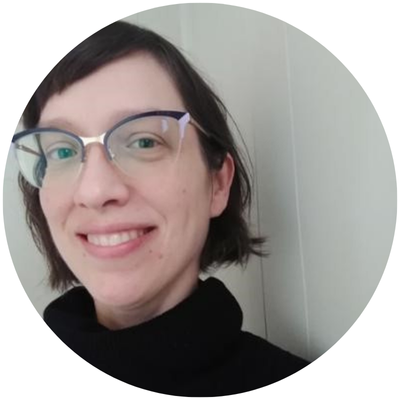
Sarah Howden
I edit board books, picture books (fiction and nonfiction), early chapter books (Echoes) and middle-grade fiction for Orca. I appreciate how much variety I get in my work—my day can veer from learning about West African lungfish to perusing stunning picture book artwork to tearing up over a poignant moment in a middle-grade novel. And it’s such a pleasure getting to work with authors to make their book the best it can be.
When I’m reading a submission, my biggest consideration is whether a book meets readers where they’re at. Does it reflect what the kid audience feels and thinks about? And does it do this in a unique and authentic way? As well, I always keep an eye out for unique stories that represent diverse experiences.
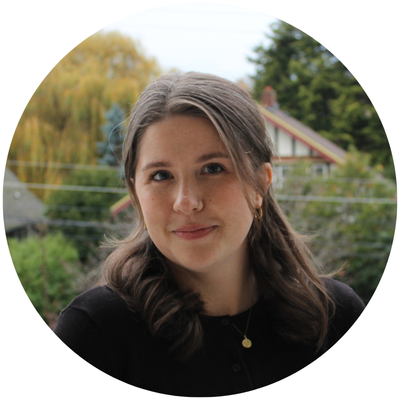
Georgia Bradburne
Alongside editing a selection of picture books and nonfiction that Orca buys from foreign publishers, I manage photo research, permissions and licensing for our middle grade nonfiction list. I'm always looking for active and diverse images—whether that's keystone species, important figures from history or kids getting involved in their community.
I guide our nonfiction manuscripts through the final stages of the production process, working together with our talented authors, freelancers and the production and design teams to meet deadlines and ensure content quality and accuracy. When reviewing submissions, I most look forward to reading work that will make kids think and view the world around them with empathy and kindness.
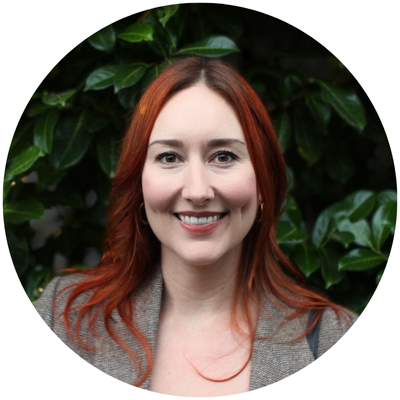
Jenna Campbell
I edit Orca's nonfiction books with middle grade being my specialty. I am a collector of fun facts and always on the hunt for books that make me see the world a little differently. My intention is to help create books that are full of wonder and spark curiosity that kids can carry with them as they grow up.
I think the best children's nonfiction balances depth with accessibility. I'm on the lookout for books that are rigorously researched while being fun and lively—and books that reflect to kids their own agency and inspire them to take action. Lastly, I'm watching for manuscripts with unique topics that haven't yet been explored within the middle-grade marketplace, written by authors deeply connected to the subject matter who voice diverse perspectives and ideas.
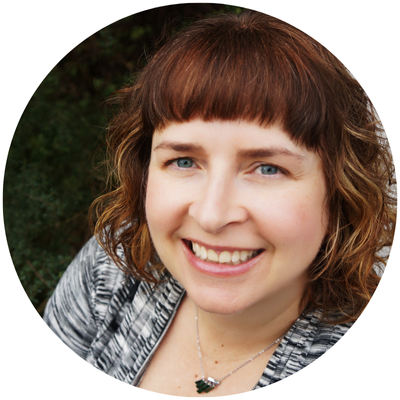
Gabrielle Prendergast
When acquiring new books for Orca’s Currents, Soundings and Anchor lines of hi-lo fiction, and for our middle-grade horror line, Shivers, I’m looking for fast paced stories with clear, concise writing and high concept plots. Because hi-lo books are quite different from the rest of the genres in kidlit publishing, pitches and manuscripts that are closely comparable to popular published books, TV shows or games are welcome.
The stories don’t need to be gritty or edgy, but they need to be relatable and compelling to our readers. I’m especially keen to incorporate contemporary themes in a range of popular genres, such as sci-fi, horror, fantasy, mystery, action, adventure or romance.
Finally, I’m keen to get submissions from authors from racially, ethnically and culturally diverse backgrounds, authors with disabilities, LGBTQ+ authors and authors from religious minorities, as well as submissions that incorporate many forms of diversity in their casts. For now, I prefer plots that hinge on some particular identity, written by someone who shares that identity.
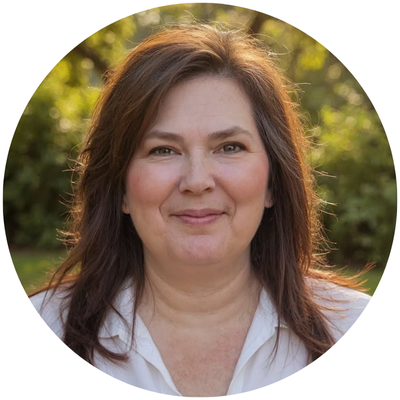
Tara Solomon
A large part of my work focuses on books by Indigenous authors and stories that celebrate Indigenous voices and experiences. As a Métis editor, I approach each project with care and respect for the author and communities whose stories are being shared.
I edit picture books, early chapter books, middle-grade fiction and nonfiction, and I'm especially drawn to stories rooted in lived experience, whether rooted in traditional cultures or exploring contemporary life. I look for manuscripts that are well crafted and meaningful and that offer young readers something engaging, accessible and true.
When a story helps a child see themselves, learn something new, or view the world in a different way, that's the kind of book I'm excited to champion.
Submission Guidelines
Our submission period is now closed until August 2026.
Please read Orca's submission guidelines below.
Illustrators, please see our guidelines for illustrators.
How to Submit during an Open Call
- Please familiarize yourself with our publishing program before submitting. Browse our website and our current catalogs, and review the guidelines below. We appreciate you taking the time to show us your best work.
- Create an account on CanSubmit and start a New Submission with Orca Book Publishers. We do not accept submissions by email, mail or fax.
- Indicate the genre of your submission. In some cases, we would prefer that you query us with a synopsis or sample chapters rather than a complete manuscript. See specifics for each genre below.
- Upload your digital manuscript, synopsis or sample chapters (Word or PDF preferred).
- Provide a cover letter with a brief summary of your book and how you feel it will fit with our publishing program.
- Include a short biography of yourself and any publication history, if applicable. Don’t forget to include your contact information.
- Indicate if your submission is a multiple submission. (We don’t mind at all. We understand that your time is valuable, as is ours. We only ask that you let us know if you decide to place your project elsewhere.)
Please note:
- We are a children’s publisher. We do not publish adult works of fiction or non-fiction or poetry.
- We are dedicated to publishing books that represent a diverse range of experiences, voices and backgrounds, including but not limited to racialized people, those of all genders, people with disabilities, neurodiverse people, those from the LGBTQ2IA community, as well as other historically marginalized populations.
- We only publish authors who are either Canadian citizens or permanent residents of Canada.
- No editorial comment will be provided unless we are considering your submission for publication.
- Due to high volume, we are unable to respond to each submission individually. If you have not received a reply from us within four (4) months, you should assume that we have decided that your project is not right for us at this time.
- Orca Book Publishers will not accept any submissions, images or text, that have been created or influenced by artificial intelligence.
Submission Guidelines by Genre
- Indigenous Books by Indigenous Creators
- Board Books
- Picture Books
- Orca Echoes: Early chapter books for ages 6–8
- Middle-Grade Fiction: Ages 8–12
- Orca Currents: Hi-lo for reluctant readers ages 9–12
- Orca Soundings: Hi-Lo for reluctant readers ages 12 and up
- Orca Anchor: Hi-lo for reluctant readers ages 12 and up
- Orca Shivers: High-interest contemporary horror novels aimed at readers aged 9–12
- Graphic Novels
- Orca Footprints: Middle-grade nonfiction series
- Orca Think: Middle-grade nonfiction series
- Orca Timeline: Middle-grade nonfiction series
- Orca Wild: Middle-grade nonfiction series
- Orca Biography: Middle-grade nonfiction series
- Orca Take Action: Middle-grade nonfiction series
- Other Nonfiction (Elementary or Middle Grade)
Indigenous Books by Indigenous Creators
|
| Back to top |
Board Books
|
| Back to top |
Picture Books
|
| Back to top |
Orca Echoes
|
| Back to top |
Middle-Grade Fiction
|
| Back to top |
Orca Currents
|
| Back to top |
Orca Soundings
|
| Back to top |
Orca Anchor
|
| Back to top |
Orca Shivers
|
| Back to top |
Graphic Novels
|
| Back to top |
Orca Footprints
|
| Back to top |
Orca Think
|
| Back to top |
Orca Timeline
|
| Back to top |
Orca Wild
|
| Back to top |
Orca Biography
|
| Back to top |
Orca Take Action
|
| Back to top |
Other Nonfiction
|
| Back to top |
